
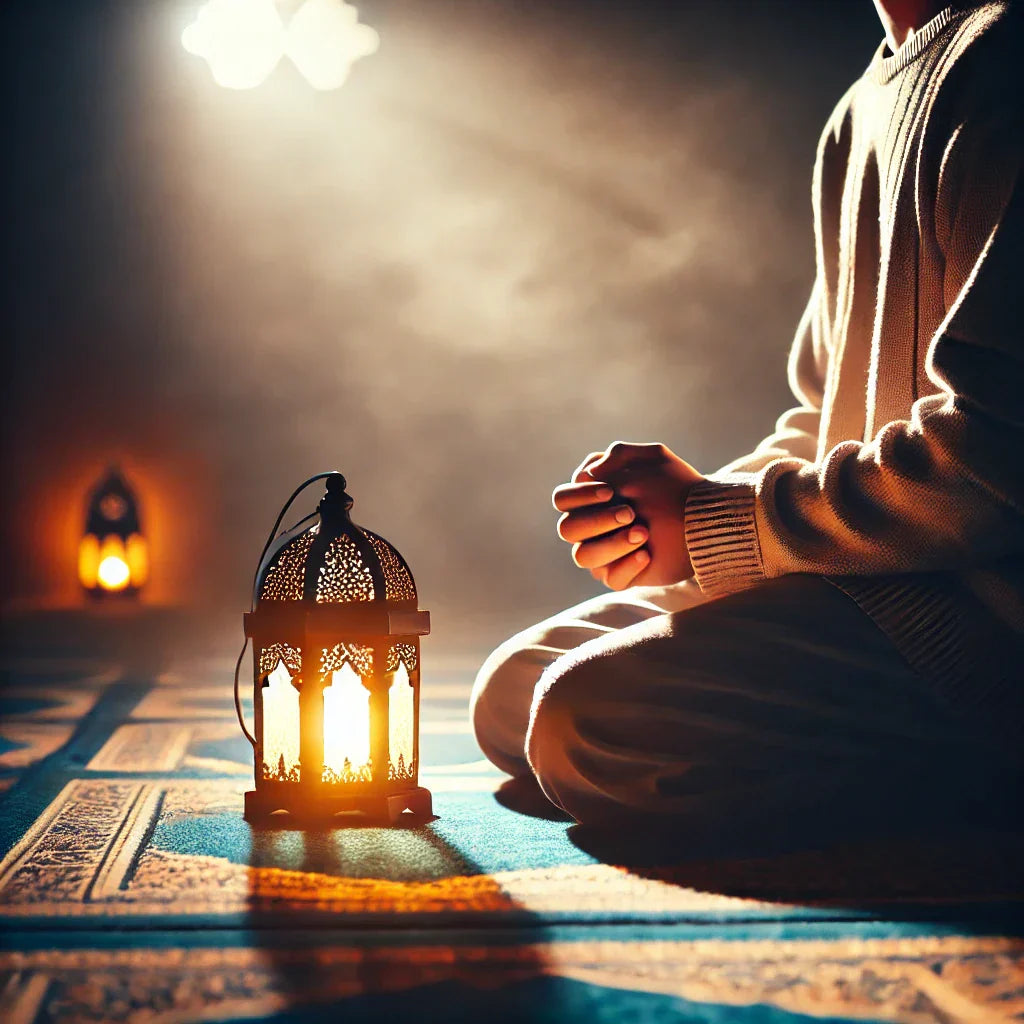
A Guide to Ramadan for New Muslims
Share
Date: 12 February 2025
Introduction
For new Muslims, experiencing Ramadan for the first time is both exciting and transformative. However, it can also feel overwhelming. This blog serves as a practical guide for new Muslims, offering tips and insights to make their first Ramadan a meaningful and spiritually uplifting experience.
1. Understanding the Basics of Ramadan
-
What is Ramadan?
Ramadan is the ninth month of the Islamic calendar, marked by fasting from dawn (Fajr) to sunset (Maghrib) and focusing on spiritual growth. -
Why Do Muslims Fast?
Fasting is an act of worship that promotes self-discipline, gratitude, and empathy for those in need. Allah says:“O you who have believed, fasting is prescribed for you as it was prescribed for those before you, that you may become righteous.”
(Qur’an 2:183) -
The Pillars of Fasting:
- Abstain from food, drink, and sinful behaviour.
- Begin the fast with niyyah (intention).
- Break the fast with dates and water, following the Sunnah.
2. Preparing for Your First Ramadan
A. Physical Preparation
- Gradually reduce caffeine or sugar intake to ease the transition.
- Stay hydrated and eat balanced meals during suhoor and iftar.
B. Spiritual Preparation
- Familiarise yourself with Ramadan’s significance through Islamic books and lectures.
- Write down a list of personal duas to focus on throughout the month.
C. Mental Preparation
- Accept that fasting may be challenging at first, but perseverance brings great rewards.
- Reach out to local Muslim communities for support and guidance.
3. Common Challenges and How to Overcome Them
- Hunger and Fatigue: Focus on spiritual benefits, and ensure suhoor is nutrient-rich.
- Loneliness: Attend mosque events or virtual Ramadan gatherings to feel connected.
- Work Commitments: Inform your employer of your fasting schedule, and use breaks for worship.
4. Acts of Worship to Embrace
- Prayers: Ensure all five daily prayers are performed on time. Add voluntary prayers like taraweeh.
- Qur’anic Reflection: Start small, even with one verse a day, and reflect on its meaning.
- Charity: Donate or volunteer, no matter how small the contribution.
- Gratitude Journaling: End each day by reflecting on Allah’s blessings.
Conclusion
Your first Ramadan as a Muslim is a beautiful journey of growth and self-discovery. Embrace the challenges and joys of fasting with patience, and remember that it’s not about perfection but sincerity. The entire Muslim community welcomes and supports you in this spiritual endeavour.